

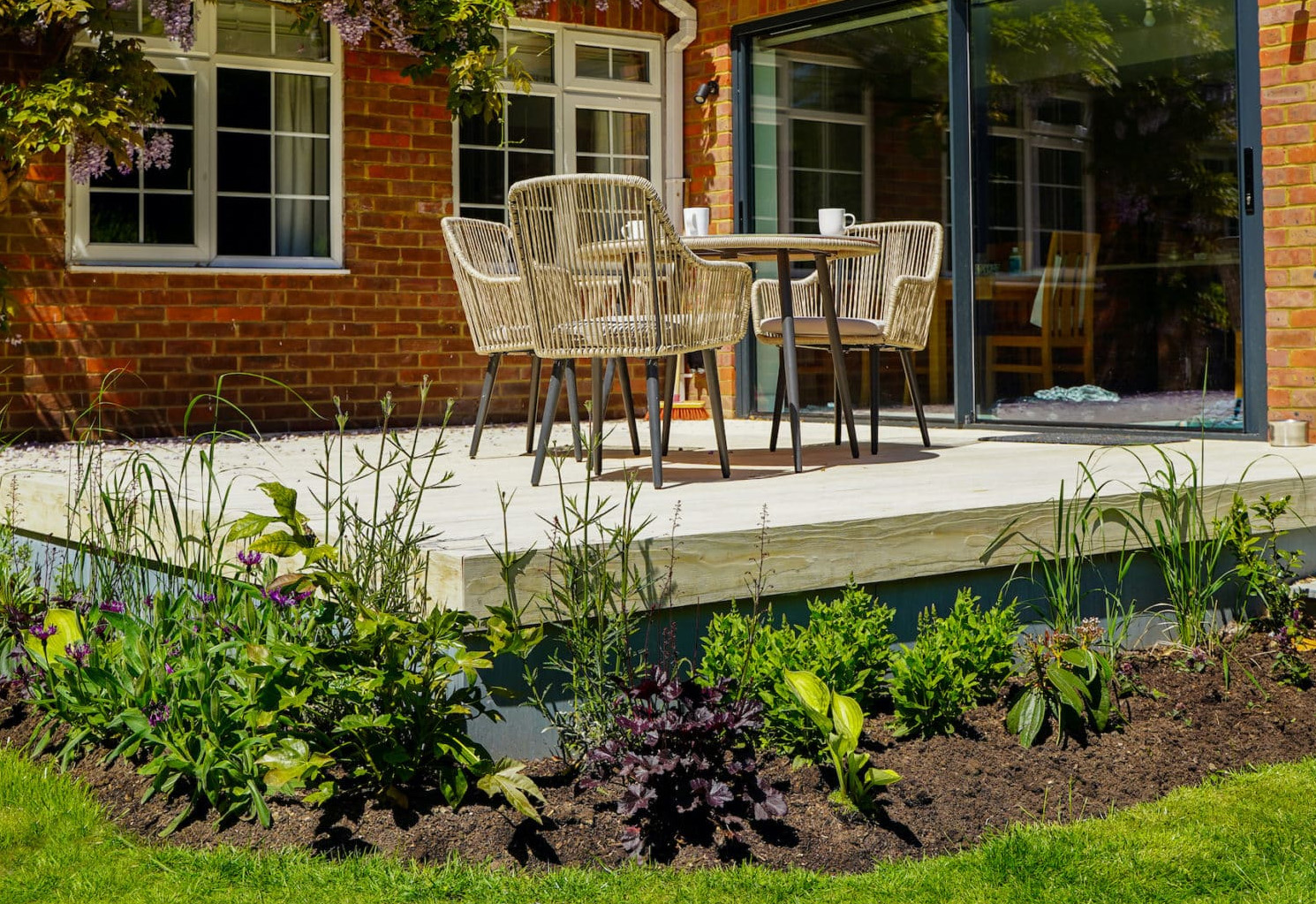
You saved, planned and paid for a new garden or driveway. Instead of bringing joy, it now brings worry. Perhaps the car scrapes on the new drive. Perhaps water runs toward the house. Maybe a retaining wall has started to lean, or the steps feel unsafe.
In that moment, most homeowners feel the same mix of frustration and anxiety:
- Is this actually wrong, or am I being fussy?
- Will the contractor fix it, or will we end up in a legal battle?
- How much could this cost to put right?
An independent landscape expert helps answer those questions in a clear, structured way. This post explains when to call an expert, what they do, and how their input can guide you toward a sensible outcome.
Common problems in high-value gardens and driveways
High-value projects often involve more than simple paving or a small patio. They may include changes in level, drainage, complex access and significant amounts of hard landscaping. When things go wrong, the problems rarely feel minor.
Homeowners commonly call an expert when they see issues such as:
- Unsafe steps – risers and treads vary, nosing feel awkward, handrails sit in the wrong place, or surfaces become dangerously slippery.
- Cars “bottoming out” – the underside of the vehicle scrapes at the point where the driveway meets the pavement or the garage, due to poor levels or sharp transitions.
- Water running toward the house – falls send rainwater back toward doors, thresholds or walls, sometimes leading to damp and internal damage.
- Collapsing or leaning retaining walls – walls crack, lean or bulge because foundations, drainage or design don’t suit the loads.
- Planting failures – trees die, hedges fail, or planting schemes perform badly because of poor soil preparation, wrong species or irrigation issues.
- Unfinished or substandard works – the contractor walks off site, leaves elements incomplete or delivers results that fall well below what you reasonably expected.
- Gross overcharging – final bills bear no resemblance to the agreed scope or market rates, especially where variations were never clearly explained.
When claim values sit between £20,000 and £300,000 or more, those problems carry real financial and emotional weight. An expert helps turn that sense of chaos into a clearer picture.
How an expert identifies what went wrong
A good expert doesn’t start from feelings or blame. They start from standards and evidence.
Comparing the work to recognised standards
The expert will look at:
- relevant British Standards and codes of practice for paving, walls, drainage and planting;
- manufacturer’s installation guidance for specific products;
- normal good practice for projects of a similar type and value.
They then compare those benchmarks with what they see on site. That process helps identify where the work departs from expected standards, and whether those departures actually matter.
Distinguishing snagging from true defects
Not every imperfection counts as a defect. A seasoned expert separates:
- Snagging – minor aesthetic issues or small imperfections that do not affect safety or performance.
- Defective workmanship – work that falls below a reasonable standard of skill and care, or that does not follow the agreed specification.
- Design problems – situations where a scheme could not work safely or effectively, even if built exactly as drawn.
This distinction matters. It affects:
- whether you have a viable claim;
- who may bear responsibility (designer, contractor or both);
- what kind of remedial work is appropriate.
Understanding how issues connect
Many problems link together. For example:
- A car “bottoming out” at the pavement can relate to the height of the new drive, the profile of the footpath and the slope toward the road.
- A damp issue by the house may connect to the level of new paving against the damp proof course, the lack of drainage and the fall of the surface.
- A failing wall might reveal inadequate foundations combined with poor backfilling and missing drainage.
An expert traces those links and explains them in plain language so that you, your solicitor and, if needed, the court can understand the full picture.
Preparing a realistic scope and cost of remedial works
Once an expert understands what went wrong and why, the next question follows: What now?
Defining a remedial scheme
The expert will design or outline a scope of remedial works that aims to:
- deal with safety and structural issues first;
- correct drainage and level problems;
- restore the practical use and appearance you reasonably expected.
That scope should be proportionate. It needs to fix the problems, not re-landscape the entire property without good reason.
Costing the work and addressing “betterment”
In many disputes, the cost of putting things right forms the heart of the claim. The expert will:
- estimate the cost of the remedial scheme using market-based rates;
- explain any assumptions clearly;
- highlight where better materials or methods would provide betterment rather than pure remediation.
“Betterment” matters because you usually can’t expect to end up better off than if the original work had been done properly, unless you fund that uplift yourself. A balanced expert acknowledges this and separates:
- cost to achieve what you paid for originally;
- any optional upgrades that exceed that baseline.
This clarity helps solicitors set realistic expectations and supports sensible settlement discussions.
What you can reasonably expect before and after expert involvement
Many homeowners worry that involving an expert will escalate conflict. In practice, the right expert often reduces tension by introducing structure and clarity.
Before the expert arrives
You can reasonably expect to:
- have an initial conversation or email exchange to check that your issues fall within the expert’s field;
- receive clear terms of engagement, including likely fees and timescales;
- be asked for documents, photographs and a summary of events.
The expert should set out what they can and cannot do, and explain whether they will provide:
- advisory input only; or
- a formal report suitable for use in legal proceedings.
During the inspection
At the site visit, the expert will typically:
- walk the whole garden and driveway with you;
- listen to your concerns and ask focused questions;
- take measurements, photographs and notes;
- look beneath the surface where safe and appropriate.
They will observe rather than argue. They don’t take sides in the way a party might. Their task is to gather information.
After the report
When the report arrives, you should gain:
- a clear explanation of what the expert found;
- an opinion on whether the work falls short of reasonable standards;
- a proposed remedial scheme and estimated costs, where appropriate.
Your solicitor can then use that report to:
- support a letter of claim or response;
- negotiate with the contractor or their insurer;
- advise you on settlement options or next legal steps.
Why photos, documents and calm thinking matter
Emotions run high when a project goes wrong, especially at home. You may feel angry, embarrassed or let down. That response is entirely human. To get the best from an expert, it helps to back those feelings with good evidence and a level head.
Keep and organise documents
Gather:
- contracts, quotations and specifications;
- emails, letters and text messages;
- invoices and payment records;
- drawings and product information.
Organised documents help the expert understand what the parties agreed and how events unfolded.
Take clear photographs
Photographs taken over time can show:
- changes as work progressed;
- early signs of problems;
- the current condition of the site.
Use simple, well-lit photos. Include context where possible, not just close-ups. The expert may add their own images during inspection, but your early photos can prove invaluable.
Separate feelings from facts
Your feelings matter, but the expert’s role centres on facts and standards. Try to:
- describe events in order rather than only focusing on the worst day;
- distinguish what you saw yourself from what others told you;
- accept that some things may fall into the “snagging” category rather than full defects.
This approach doesn’t weaken your position. It strengthens the credibility of your case.
How a strong, independent report supports settlement
Very few homeowners want a long, stressful trial. Most prefer a fair settlement that lets them move on and enjoy their property. Balanced expert evidence makes that outcome more likely.
A strong, independent report:
- gives both sides a realistic picture of liability and cost;
- highlights where claims might overreach or understate issues;
- provides a solid basis for without-prejudice negotiations and formal offers.
Contractors and insurers may resist vague complaints, but they often engage more constructively when faced with:
- clear photographs and measurements;
- references to standards and good practice;
- a practical remedial scheme with priced items.
Even if a case does proceed further, a robust expert report helps your legal team frame arguments and manage risk. In many instances, it nudges everyone toward an agreement long before a judge needs to step in.
So, when should you call an expert?
You don’t need an expert for every minor mark or hairline crack. Consider involving one when:
- safety concerns arise (slips, trips, collapsing elements);
- your car cannot safely access the property;
- water runs toward the house or causes damp;
- retaining walls move, crack or lean;
- the contractor has left, and you face a large bill for remedial work;
- the likely cost of putting things right sits in the £20,000–£300,000 range or higher.
At that point, an independent landscape expert can turn a confusing, emotional situation into a structured set of facts and options. That clarity gives you, your solicitor and, if needed, the court the best chance of reaching a fair and realistic outcome.
