

High-value landscaping disputes are rarely just about plants, lawns, paving or garden maintenance. More often, they involve a combination of practical site issues, remedial methodology, cost reasoning, aftercare, future allowances and proportionality.
That is why measured landscaping evidence matters.
The Landscaping Expert recently provided independent landscaping evidence in a reported Upper Tribunal matter involving a historic domestic property, flood defence works and a substantial garden restoration claim.
Although the wider case involved several expert disciplines, the garden element required its own specialist assessment. It was not enough to look at the garden as a decorative feature or a general maintenance concern. Instead, the Tribunal needed help understanding what reinstatement reasonably involved, why certain works were required, and how the associated costs should be considered.
This is where specialist landscaping evidence can assist.
“The wider claim exceeded £4m. Within that, the garden restoration element was substantial, with garden-related figures running well into seven figures depending on whether associated pool works and conditional future replanting allowances were included. The Tribunal ultimately assessed the garden restoration element at just over £800,000 before VAT.”
A garden dispute may involve much more than planting
At first glance, a garden restoration claim may appear to be about replacing plants, reinstating lawns or putting damaged areas back into an acceptable visual condition. However, complex garden disputes often go much further than that.
A proper assessment may need to consider soil conditions, irrigation, access, plant establishment, monitoring, replacement risk, future maintenance assumptions and the practical programme for delivering the works. In some cases, the setting of the property may also be important, especially where the garden forms part of a historic or high-value residential environment.
For that reason, specialist landscaping evidence should not simply ask, “What would it cost to plant this again?”
A more useful question is, “What does the garden reasonably need in order to be reinstated properly, and how can that cost be explained in a clear and proportionate way?”
That difference is important because courts and tribunals need evidence they can understand, test and apply.
What The Landscaping Expert brought to the case
The Landscaping Expert’s role was to provide independent landscaping evidence on the practical requirements of garden reinstatement.
This included consideration of irrigation, aftercare, monitoring, establishment risk, replacement allowances and future cost assumptions.
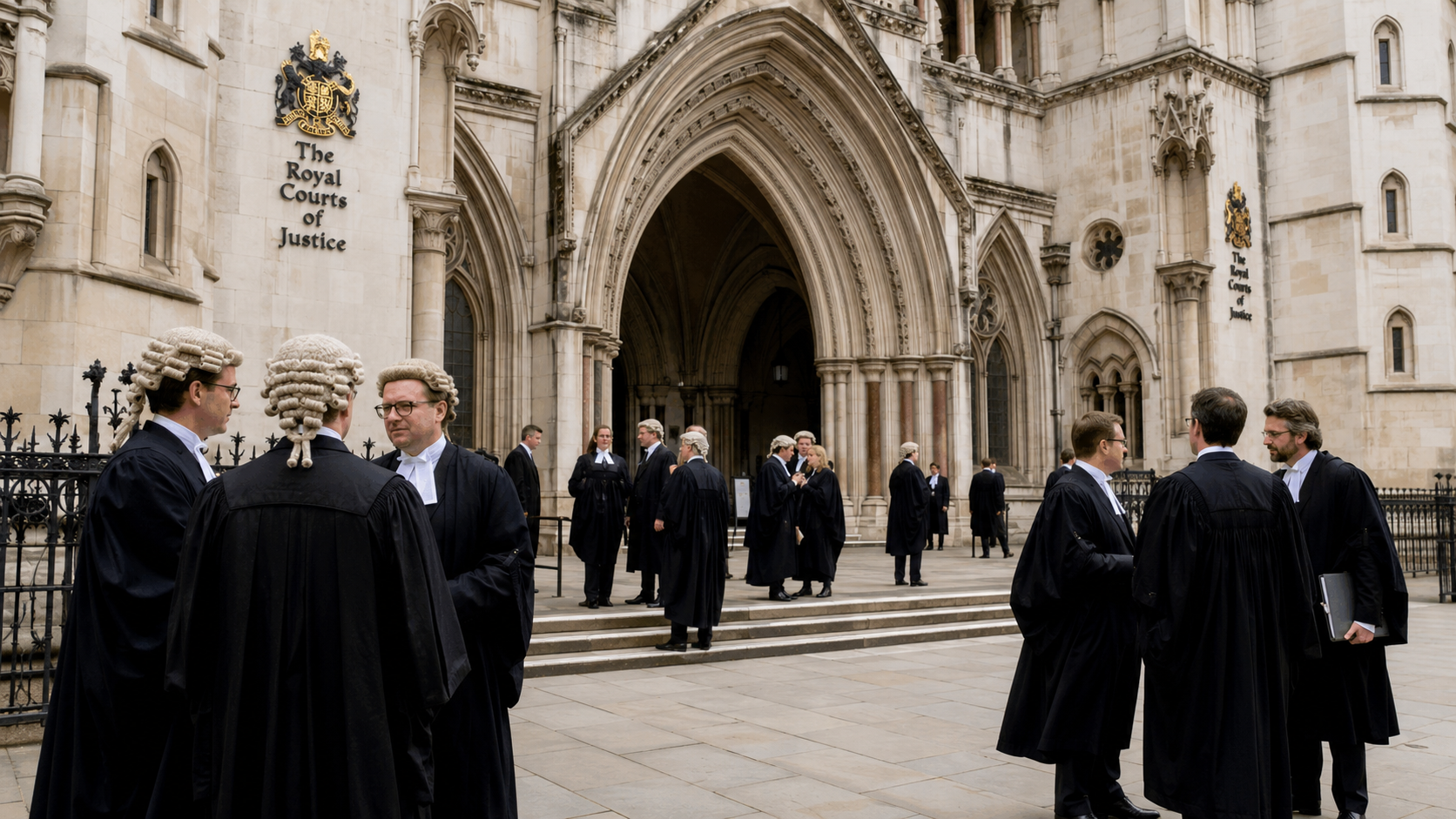
Karl Harrison also gave oral evidence before the Upper Tribunal, with the hearing taking place at the Royal Courts of Justice. His evidence was tested under cross-examination by Counsel, which is why clarity, preparation and professional independence were central to the work.
The purpose was not to support the highest possible claim or to produce a low figure for its own sake. Rather, the purpose was to provide a professional opinion that was clear, balanced and grounded in real landscaping practice.
That approach matters in expert evidence.
A tribunal is not assisted by broad figures that cannot be properly tested. It is also not helped by technical opinion that becomes detached from how gardens are actually built, planted, irrigated and maintained.
Instead, useful expert evidence should explain the route from the problem to the proposed remedy. It should show what is required, why it is required, and whether the cost is proportionate to the work being assessed.
Clarity was central to the evidence
One of the most important parts of our approach was clarity.
Where a garden claim includes several different elements, it is easy for the evidence to become difficult to follow. Planting, irrigation, soil preparation, aftercare, monitoring and future allowances can all become grouped together, particularly where external quotations are involved.
However, a court or tribunal needs to see how the figure has been reached.
In this matter, our evidence sought to break the landscaping issues into practical components. That made it easier to understand what was being allowed for and why. It also helped separate necessary remedial work from ordinary garden care that may have been required in any event.
Following the decision, the instructing legal team commented positively on the measured nature of our evidence and the professional clarity brought to the landscaping issues. That feedback was important because it reflected the standard we aim to provide in expert witness work: clear reasoning, practical judgement and evidence that helps the decision-maker.
Remedial aftercare is not ordinary gardening
A key issue in many garden restoration disputes is the distinction between remedial aftercare and ordinary gardening.
A newly reinstated garden may need watering, monitoring, irrigation management, plant health checks, pruning, soil review and replacement of failed planting during the establishment period. Those tasks may form part of a reasonable remedial process because they arise from the need to re-establish the garden after damage or disruption.
Ordinary gardening is different.
Every garden requires some level of maintenance. Lawns need care, shrubs need pruning, borders need attention and seasonal work will continue regardless of any dispute. Therefore, it is important to identify which costs are genuinely caused by the reinstatement process and which costs would have arisen as part of normal garden ownership.
This distinction can have a significant effect on the overall assessment.
When aftercare is considered properly, the evidence becomes more balanced. It allows the parties, their advisers and the Tribunal to see where remedial responsibility ends and normal garden maintenance begins.
Why proportionate evidence carries weight
Measured expert evidence is not cautious evidence for the sake of caution. It is evidence that considers each item properly.
Where a cost is justified, it should be explained. If an allowance is excessive, duplicated or insufficiently connected to the remedial requirement, that should also be identified. The expert’s duty is not to advocate for one party, but to assist the court or tribunal within their area of expertise.
That professional duty is especially important in high-value garden disputes.
Large sums can arise for understandable reasons. Mature landscapes, specialist irrigation, access limitations, establishment periods and replacement risk can all add cost. Even so, each item still needs to be tested against the evidence and the practical requirement.
The strongest expert evidence is not necessarily the evidence with the largest figure. Nor is it necessarily the evidence with the lowest figure. It is the evidence that can be explained, scrutinised and relied upon.
Why specialist landscaping expertise matters
Landscaping is often misunderstood in disputes because it sits between design, construction, horticulture and long-term maintenance.
A garden is not just a finished appearance. It is a built and living environment, shaped by soil, water, drainage, light, access, construction quality, plant health and ongoing care.
This means that specialist landscaping evidence can provide value where a general construction, surveying or horticultural opinion may not address the whole picture. The expert needs to understand the practical sequence of works, the behaviour of living material, the realities of aftercare and the cost of delivery on site.
That combination of practical and technical knowledge is particularly useful where the court or tribunal must assess remedial works rather than simply decide whether something looks acceptable.
What this matter demonstrates
This matter demonstrates why specialist expert witnesses are important in landscaping and external works disputes.
The garden issues required more than a broad opinion on planting. They required practical assessment of reinstatement, irrigation, establishment care, future allowances and proportionality.
A clear expert opinion helped explain those issues in a way that could be followed and tested. It also showed why cost reasoning should be transparent, especially where the claim involves substantial sums and several different remedial components.
For The Landscaping Expert, the value of the work was not simply in producing a figure. The value was in bringing professional structure to a complex garden restoration issue.
That is what good expert evidence should do.
How The Landscaping Expert assists
The Landscaping Expert provides independent technical consultancy and expert witness services for landscaping, paving, decking, drainage, external works and garden construction disputes.
Our work supports homeowners, contractors, solicitors, insurers and professional advisers where clear technical opinion is required.
Where formal expert evidence is needed, our role is to assist the court or tribunal with independent opinion. At an earlier stage, our consultancy can help identify the technical issues before a dispute escalates.
Our work may include site inspection, document review, defect assessment, remedial cost analysis, Scott Schedule input, independent expert opinion, CPR 35 compliant reports and Single Joint Expert appointments.
In each case, the objective remains the same: to provide clear, practical and proportionate landscaping evidence.
Conclusion
Landscaping evidence in high-value disputes must be clear, practical and professionally reasoned.
A garden restoration claim can involve substantial sums, especially where mature landscapes, historic settings, irrigation, drainage and establishment periods are involved. However, every item still needs to be tested.
Measured landscaping evidence helps the parties, advisers, court or tribunal understand what has happened, what is required, and what a reasonable remedial cost should be.
That is why specialist landscaping evidence matters. This is why The Landscaping Expert Ltd are instructed in important and high value legal disputes.
